
Advanced Cardiovascular Life Support (ACLS) certification is a critical credential for many healthcare providers who may respond to serious cardiac emergencies. While Basic Life Support teaches foundational CPR and AED skills, ACLS goes further by focusing on advanced assessment, treatment, medications, rhythms, and team-based emergency care.
Healthcare providers who need ACLS certification can turn to LBW Training Center for comprehensive American Heart Association training focused on essential advanced life-saving techniques. With engaging instruction, daily class options, and multiple locations across Arizona, LBW Training Center makes it easier for professionals to keep their skills up to date.
ACLS Supports Faster Emergency Response
Cardiac emergencies can happen suddenly, and healthcare teams must be prepared to respond immediately. ACLS training helps providers recognize and manage conditions such as cardiac arrest, stroke, acute coronary syndromes, and dangerous heart rhythms.
By understanding structured treatment algorithms, providers can respond more quickly and confidently when a patient’s condition changes.
Understanding Heart Rhythms and Treatment
One of the major skills taught in ACLS certification is rhythm recognition. Providers learn how to identify life-threatening arrhythmias and understand which interventions may be needed.
ACLS training may include:
- Reading and interpreting cardiac rhythms
- Understanding when defibrillation is needed
- Knowing when synchronized cardioversion may be appropriate
- Using medications during cardiac emergencies
- Managing bradycardia and tachycardia
- Supporting patients after resuscitation
These skills are especially important in hospitals, emergency departments, ICUs, surgical centers, and other advanced care settings.
Improving Team Communication
ACLS is not just about individual knowledge. It also teaches providers how to work as part of a coordinated resuscitation team. During a cardiac emergency, clear roles and communication are critical.
Providers learn how to:
- Assign and accept roles
- Communicate clearly
- Confirm instructions
- Monitor patient response
- Reduce delays in treatment
This team-based approach helps improve efficiency during stressful situations.
Meeting Job and Facility Requirements
Many healthcare roles require ACLS certification, especially for professionals working in emergency, critical care, cardiac, anesthesia, or advanced practice environments. Nurses, physicians, paramedics, respiratory therapists, physician assistants, and nurse practitioners may all need ACLS depending on their workplace responsibilities.
Strengthening Confidence and Patient Care
ACLS certification helps healthcare providers feel more prepared when seconds matter. It builds clinical knowledge, reinforces emergency algorithms, and supports better teamwork during life-threatening events.
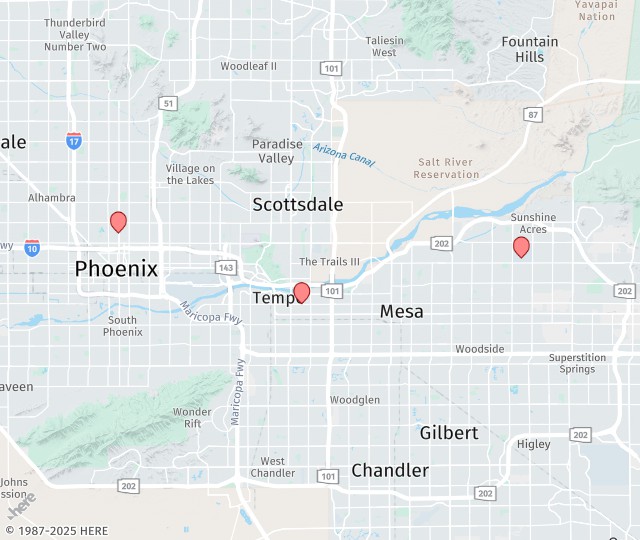
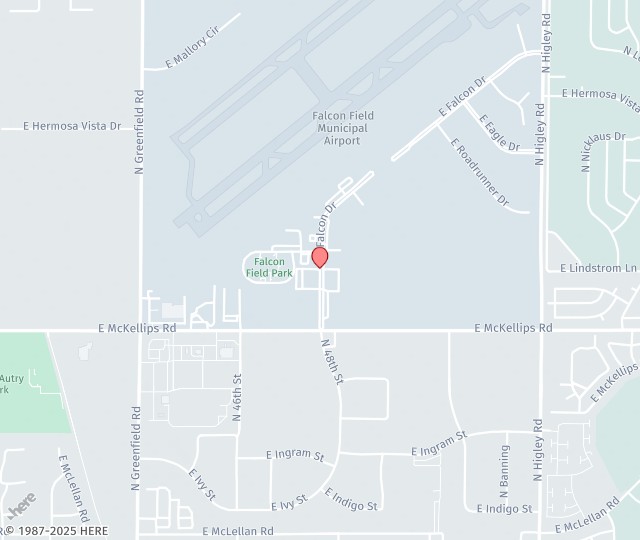
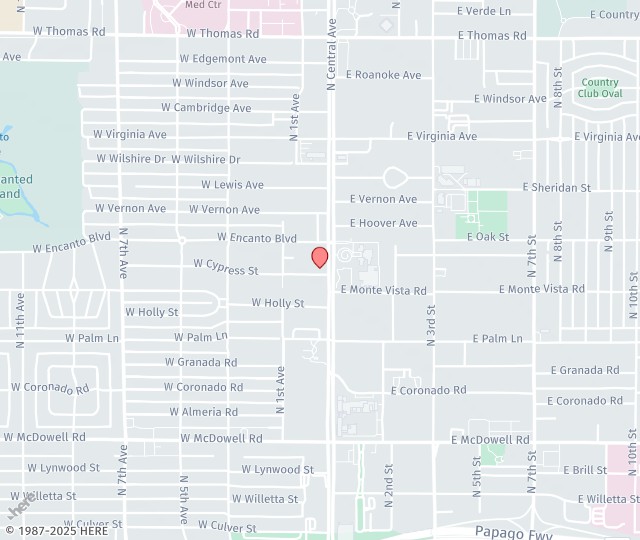
Get the Tools to Stay Calm in Medical Emergencies with ACLS Training in Tempe, AZ
For providers who care for high-risk patients, ACLS is more than a certification. It is a practical tool that helps protect patients during some of the most serious medical emergencies. Call 602-283-0079 to learn more.