When a patient experiences a cardiac emergency, every second matters. Recognizing dangerous heart rhythms and responding quickly can make the difference between life and death. That’s why healthcare workers in emergency and critical care settings need to understand the most common ACLS algorithms.
At LBW Training Center, we provide American Heart Association ACLS training designed to help healthcare professionals develop confidence in emergencies. Founded by Lynn Browne-Wagner, RN, MSN, our Arizona training center has offered engaging, hands-on healthcare education since 1999.
What Are ACLS Algorithms?
Advanced Cardiovascular Life Support (ACLS) algorithms are standardized, step-by-step guidelines for managing life-threatening cardiovascular emergencies.
These protocols help healthcare teams recognize symptoms, assess heart rhythms, and determine appropriate interventions. Understanding them supports coordinated care and faster decision-making for critically ill patients.
The Most Common ACLS Algorithms
The following four algorithms are particularly important for healthcare providers to understand.
1. Adult Cardiac Arrest Algorithm
This algorithm guides resuscitation when a patient experiences cardiac arrest. It distinguishes between shockable rhythms, such as ventricular fibrillation (VF) and pulseless ventricular tachycardia (pVT), and nonshockable rhythms, such as asystole and pulseless electrical activity (PEA).
Key interventions include:
- High-quality CPR
- Defibrillation for shockable rhythms
- Appropriate medication administration
- Identification of reversible causes
2. Bradycardia With a Pulse Algorithm
Bradycardia occurs when the heart beats unusually slowly. When it impairs circulation, providers should assess for symptoms such as hypotension, altered mental status, or chest discomfort.
Treatment may involve atropine, transcutaneous pacing, or medication infusions, depending on the patient’s condition.
3. Tachycardia With a Pulse Algorithm
Tachycardia involves an abnormally fast heart rate. This algorithm helps providers determine whether the patient is stable and identify the rhythm.
Treatment options may include medications or synchronized cardioversion for appropriate unstable rhythms.
4. Post-Cardiac Arrest Care Algorithm
After circulation returns following cardiac arrest, continued treatment is essential.
This algorithm focuses on oxygenation, ventilation, blood pressure support, identifying the cause of cardiac arrest, and neurological evaluation.
Why ACLS Algorithm Training Matters
Memorizing algorithms helps, but applying them during stressful emergencies takes practice. ACLS training reinforces rhythm recognition, critical thinking, effective communication, and coordinated team responses.
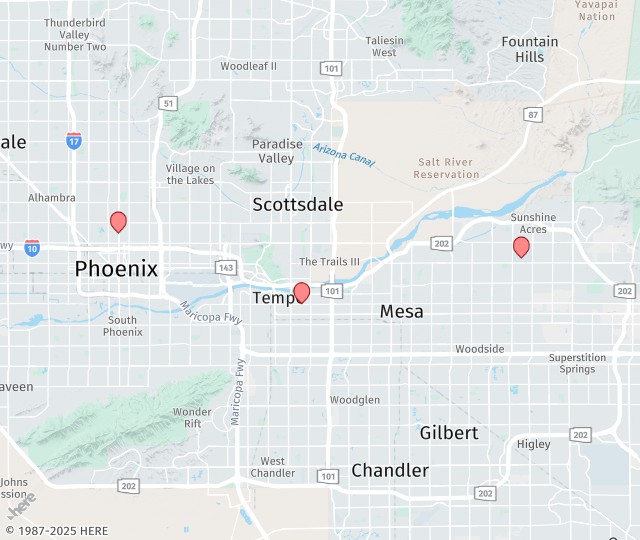
Strengthen Your Life-Saving Skills With ACLS Training in Tempe, AZ
Build your confidence in cardiovascular emergencies with comprehensive ACLS training at LBW Training Center. Our convenient daily classes and supportive learning environment help healthcare professionals strengthen essential skills. Call 602-283-0079 to schedule a consultation and learn more about upcoming courses.