
The Emergency Nursing Pediatric Course, or ENPC, helps emergency nurses develop the specialized skills needed to care for children in urgent, high-pressure settings. Pediatric emergencies can change quickly, and children often show signs of distress differently from adults. ENPC training helps nurses assess, prioritize, and respond with greater confidence.
Emergency nurses can enhance their pediatric emergency care skills through LBW Training Center’s specialized ENPC training. With more than 40 years of educational experience behind its founder, Lynn Browne-Wagner, RN, MSN, LBW Training Center provides engaging, healthcare-focused courses that support confident emergency nursing practice.
Pediatric Assessment Skills
One of the most important skills taught in ENPC is pediatric assessment. Emergency nurses learn how to quickly evaluate a child’s appearance, breathing, circulation, and overall stability.
This includes recognizing subtle changes that may indicate a serious problem. Since children may not always be able to explain what they feel, nurses must know how to gather information through observation, caregiver input, and focused assessment.
Recognizing Respiratory Distress
Respiratory problems are a common reason children need emergency care. ENPC helps nurses identify signs of respiratory distress and failure before a child’s condition worsens.
Important signs may include:
- Increased work of breathing
- Retractions
- Nasal flaring
- Wheezing or stridor
- Changes in skin color
- Fatigue or decreased responsiveness
Knowing how to recognize these symptoms early allows nurses to escalate care quickly.
Managing Shock and Circulation Problems
ENPC also teaches nurses how to identify and respond to shock in pediatric patients. Children can compensate for a period of time before declining rapidly, so early recognition is essential.
Nurses learn to assess perfusion, heart rate, skin signs, mental status, and other indicators that may suggest circulatory compromise.
Prioritizing Pediatric Emergencies
Emergency nurses must make quick decisions about which patients need immediate attention. ENPC strengthens triage and prioritization skills so nurses can respond appropriately to trauma, medical emergencies, respiratory issues, seizures, fever, dehydration, and other urgent pediatric concerns.
Communicating With Children and Families
Caring for children also means supporting families. ENPC emphasizes communication that is calm, clear, and age-appropriate. Nurses learn how to involve caregivers, reduce fear, and gather important medical history during stressful moments.
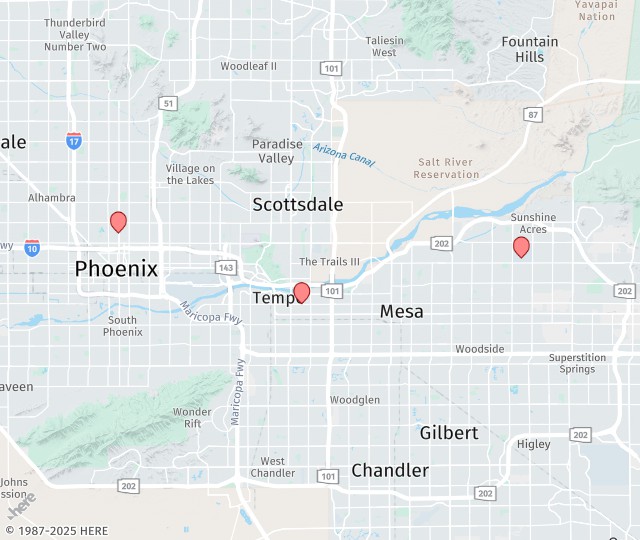
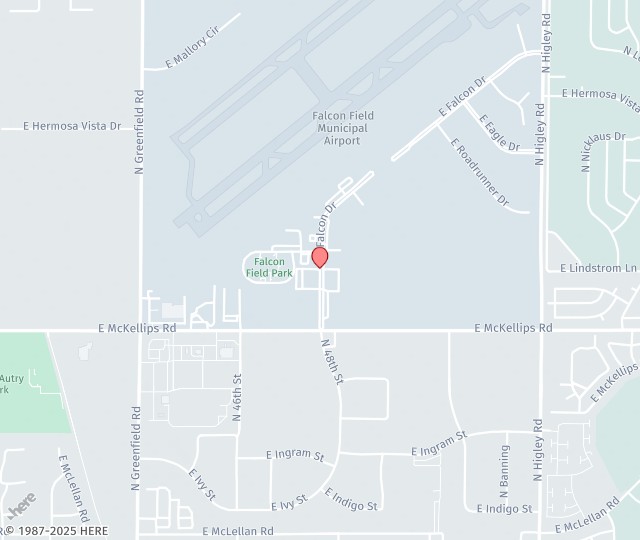
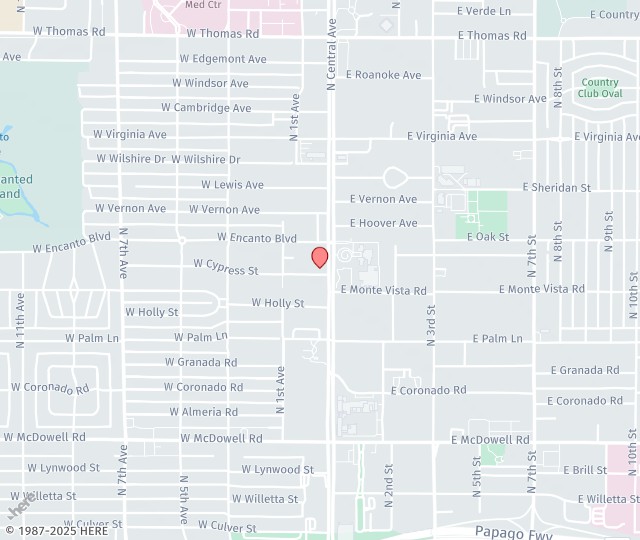
Build Confidence in Pediatric Emergency Care in Tempe, AZ
ENPC gives emergency nurses practical tools for assessing and managing pediatric patients. From respiratory distress to shock, trauma, and family communication, these skills help nurses provide safer, more effective care when children need urgent medical attention. Call 602-283-0079 to learn more.