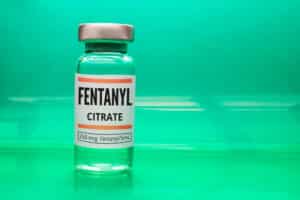
Opioid overdose emergencies can happen anywhere: a hospital bathroom, a parking lot, or in the community. For healthcare professionals, Basic Life Support (BLS) skills are the foundation for a fast, effective response. The priorities are simple: recognize respiratory failure early, support ventilation, administer naloxone when appropriate, and escalate care.
LBW Training Center, an American Heart Association Training Center, offers engaging, low-stress BLS courses (plus CPR, ACLS, and PALS) designed for busy healthcare professionals. With daily classes and multiple locations across Arizona, and leadership from Lynn Browne-Wagner, RN, MSN (with over 40 years of educational experience), LBW makes it easy to stay current and confident in life-saving care.
Recognize the Signs Quickly
Opioids primarily suppress breathing. A patient may be difficult to wake, breathing very slowly (or not at all), and may have pinpoint pupils, cyanosis, or gurgling/snoring respirations. If you suspect an overdose, activate emergency response immediately; call 911 or your facility’s code system and bring an AED and emergency kit.
Start with Airway and Breathing
In a suspected opioid overdose, ventilation can be life-saving. Position the patient, open the airway (head-tilt/chin-lift unless trauma is suspected), and check breathing. If the patient isn’t breathing normally, begin rescue breathing:
- Give 1 breath every 5-6 seconds (about 10-12 breaths/min)
- Watch for visible chest rise
- Use a barrier device or bag-valve-mask (BVM) when available
If there’s no pulse or you’re unsure within 10 seconds, start CPR immediately and use an AED as soon as it’s available.
Naloxone: When and How to Use It
Naloxone reverses opioid effects, but it doesn’t replace ventilation or CPR. In BLS care, naloxone can be administered when an opioid overdose is suspected, especially when respiratory depression is present. Follow your organization’s protocols for intranasal or intramuscular dosing and timing. Continue rescue breathing or CPR while waiting for a response, and be prepared to repeat dosing per protocol if there’s no improvement.
Next steps after the patient responds
If breathing improves and the patient regains responsiveness, monitor closely. Overdose symptoms can return as naloxone wears off, especially with long-acting opioids. Place the patient in the recovery position if they’re breathing adequately but remain drowsy, and keep assessing airway, breathing, and circulation until EMS or the code team arrives.
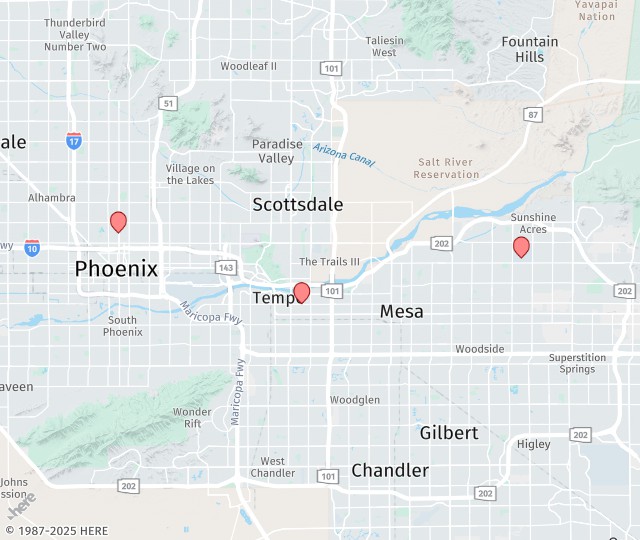
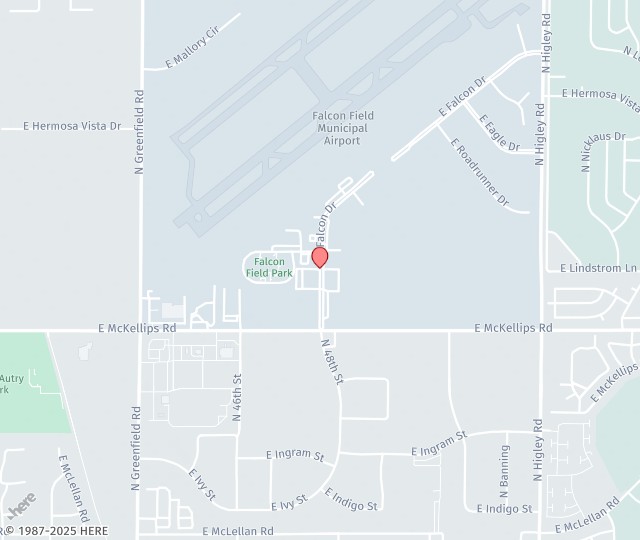
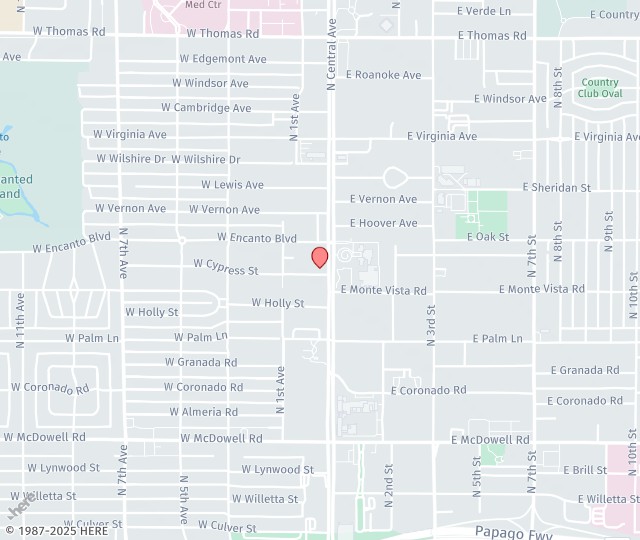
Ensure Readiness for Overdose in Any Environment with BLS Training in Tempe, AZ
Ready to strengthen your BLS skills? Contact us at 602-283-0079 to speak with the LBW Training Center team for more information, upcoming class dates, or assistance choosing the course that fits your schedule.