
In BLS (Basic Life Support) training, you’re taught to act fast, start compressions, and keep going until help arrives. But in real life, CPR can feel discouraging, especially when there’s no immediate response. The truth is, CPR rarely looks like it does on TV. Your job in the moment is to deliver high-quality CPR and troubleshoot the common issues that quietly reduce its effectiveness.
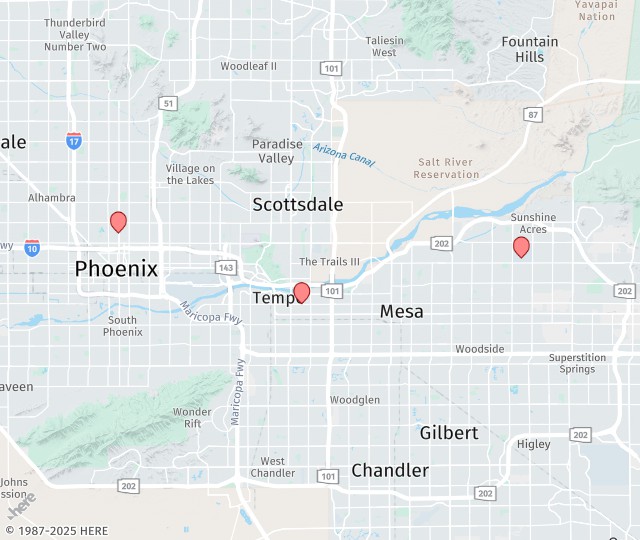
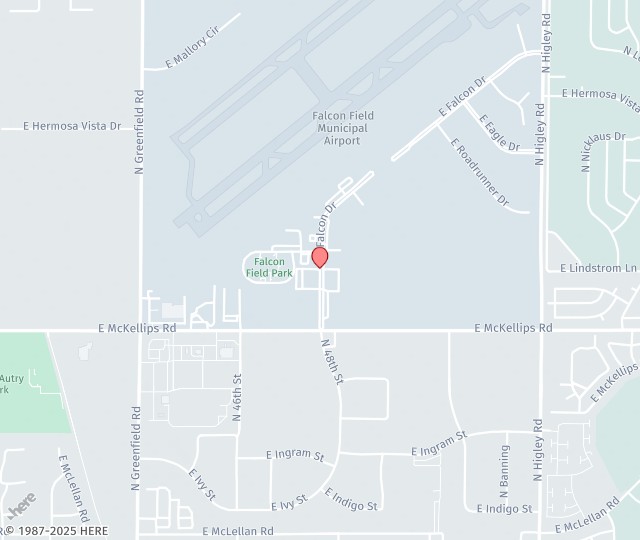
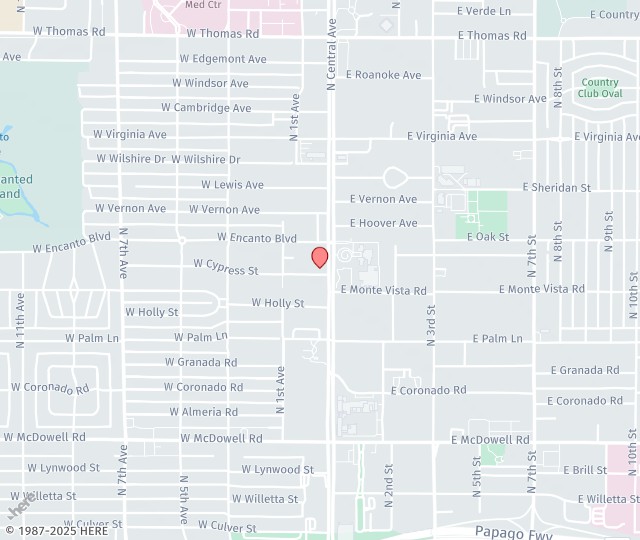
At LBW Training Center, an American Heart Association Training Center, healthcare professionals can strengthen their BLS and CPR skills through hands-on, real-world training designed to prepare them for high-pressure moments. With convenient daily classes across multiple Arizona locations and expert instruction backed by decades of experience, LBW helps providers stay confident, current, and ready to respond when it matters most.
First: Reset to the BLS Basics
When CPR “isn’t working,” start by checking your fundamentals:
- Compression depth and rate: Push hard and fast, about two inches deep in adults, at 100-120 compressions per minute.
- Full recoil: Let the chest rise completely between compressions. Leaning steals blood flow.
- Minimal interruptions: Every pause drops perfusion. Keep breaks under 10 seconds.
If you’re unsure about quality, assume it can be better and adjust immediately.
Troubleshoot the Top CPR Problems
A few adjustments can make a big difference:
- Switch compressors sooner. Fatigue sets in quickly and leads to shallow compressions. Rotate every two minutes (or sooner if quality drops).
- Confirm positioning. Hands should be centered on the chest (lower half of the sternum). Even a slight misalignment can reduce effectiveness and cause injury.
- Manage the airway and ventilation. If you’re providing breaths, avoid over-ventilating. Too much volume or a too-rapid rate increases intrathoracic pressure and reduces venous return. Aim for an effective chest rise and keep breaths controlled.
- Use the AED early and correctly. Apply pads as soon as they’re available, follow prompts, and resume compressions immediately after shocks or “no shock advised” messages.
If You’re Getting “No Change,” Keep Going
No visible improvement doesn’t mean CPR is failing. High-quality compressions are buying time for defibrillation, advanced airway support, medications, and reversible-cause management.
If the scene allows, do quick checks while maintaining compressions:
- Is the surface firm?
- Are compressions deep enough?
- Are pauses creeping in?
- Is the AED attached and analyzing appropriately?
Get the BLS Skills to Save Lives in Tempe, AZ
In those critical minutes, consistent, high-quality CPR is the intervention that keeps a patient in the fight. Contact us today at 602-283-0079 to learn more about class offerings or for help getting started.