
Advanced Cardiac Life Support (ACLS) is an imperative skill set for paramedics and EMTs working on the front lines of emergency medicine. In prehospital environments where seconds matter and conditions are unpredictable, ACLS training provides structured, evidence-based guidance to support confident, life-saving care before a patient reaches the hospital.
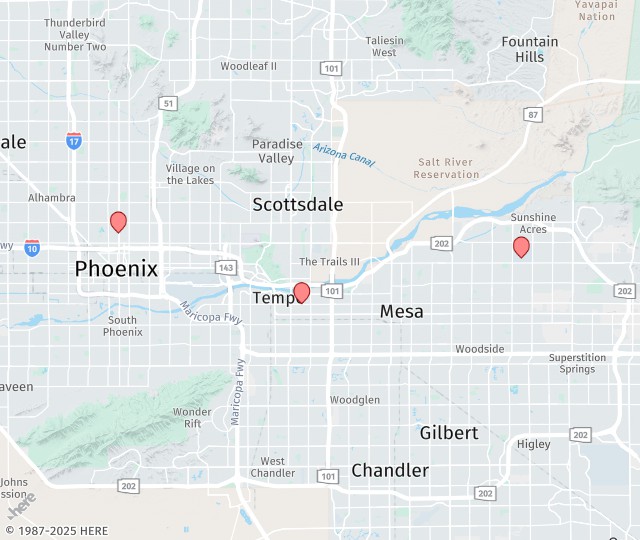
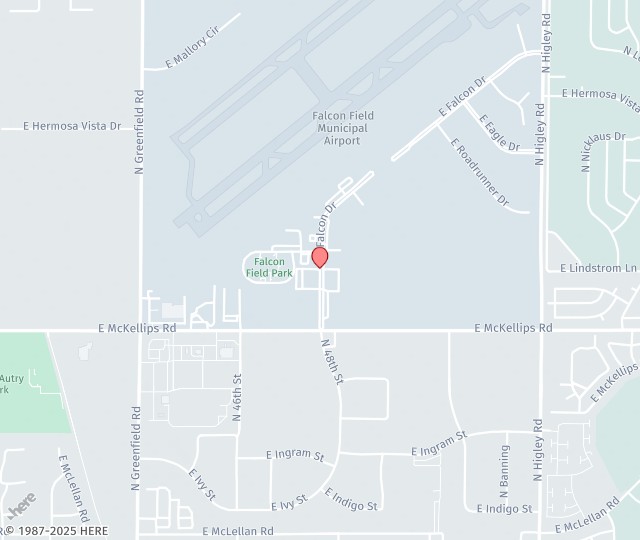
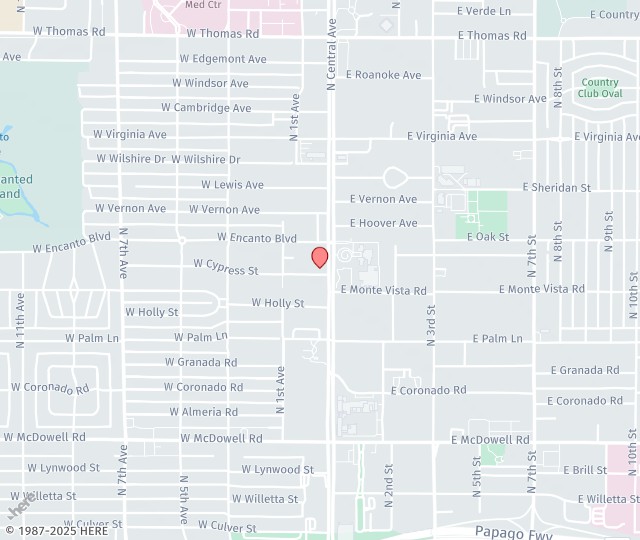
LBW Training Center offers ACLS training tailored to real-world prehospital care, helping paramedics and EMTs build confidence and apply life-saving skills effectively in the field using. With daily classes across multiple Arizona locations and expert-led, low-stress instruction, LBW Training Center makes advanced training accessible for busy healthcare professionals.
Why ACLS Matters in Prehospital Care
Unlike controlled hospital environments, prehospital emergencies are often chaotic and resource-limited. ACLS prepares EMS professionals to manage critical situations such as:
- Sudden cardiac arrest in uncontrolled or remote environments
- Acute coronary syndromes before hospital arrival
- Early recognition and response to stroke symptoms
- Symptomatic bradycardia and tachycardia requiring immediate treatment
- Respiratory failure and compromised airways
Early Recognition and Cardiac Rhythm Management
Early rhythm recognition is one of the most impactful real-world applications of ACLS. Identifying life-threatening arrhythmias such as ventricular fibrillation, pulseless ventricular tachycardia, or symptomatic bradycardia allows EMS providers to initiate defibrillation, pacing, or medication administration without delay. These early interventions significantly improve survival rates and neurological outcomes.
Airway Management and Ventilation in the Field
Effective airway management is critical during prehospital emergencies. ACLS emphasizes proper oxygenation, ventilation, and airway control, especially during cardiac arrest or respiratory failure. Paramedics and advanced EMTs rely on advanced airway techniques and waveform capnography to confirm placement, monitor ventilation, and assess CPR quality during transport.
Teamwork, Communication, and Leadership
ACLS training strengthens teamwork and leadership skills that are essential in prehospital care. Clear role assignment, closed-loop communication, and decisive leadership help ensure coordinated efforts among EMS crews, fire personnel, law enforcement, and receiving emergency departments.
Medication Administration and Effective Patient Handoffs
ACLS also reinforces proper medication use and clinical decision-making in the field. Understanding when to administer medications such as epinephrine, amiodarone, adenosine, or atropine helps stabilize patients during transport. Clear, structured handoffs to hospital teams ensure continuity of care upon arrival.
Focus on Better Patient Outcomes with ACLS Training in Tempe, AZ
For paramedics and EMTs, ACLS is more than a certification requirement; it is a foundation for delivering advanced, life-saving care in prehospital settings. Call us today at 602-283-0079 to discuss course options or find a course near you.